Category: Articles
-
What Now? September In September, the queen will be laying eggs for the “winter bees.” Forage in September is primarily goldenrod and aster and, in some areas, Japanese knotweed. By early October flowers are done until maple and willow bloom in March and apple and wildflowers begin in April. Hopefully it will be warm &…
-
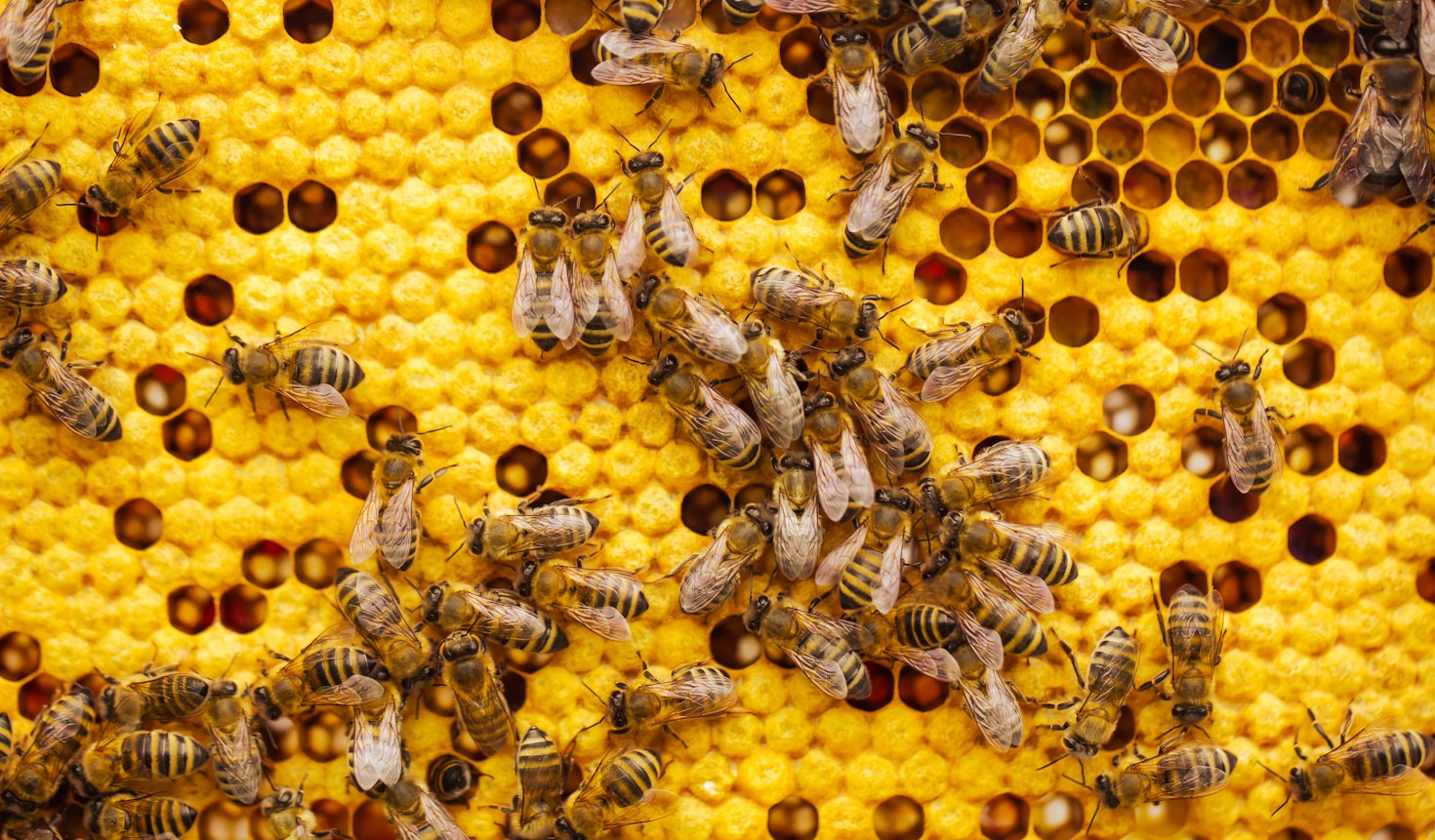
This is a timeline to help us schedule inspections and beekeeping duties. Our bees are hived in 8 frame equipment with one brood box and supers added as needed with beeswax foundation frames. A routine of feeding 1:1 sugar syrup was decided on to encourage the drawing out of the new frames with foundation. Special…
-
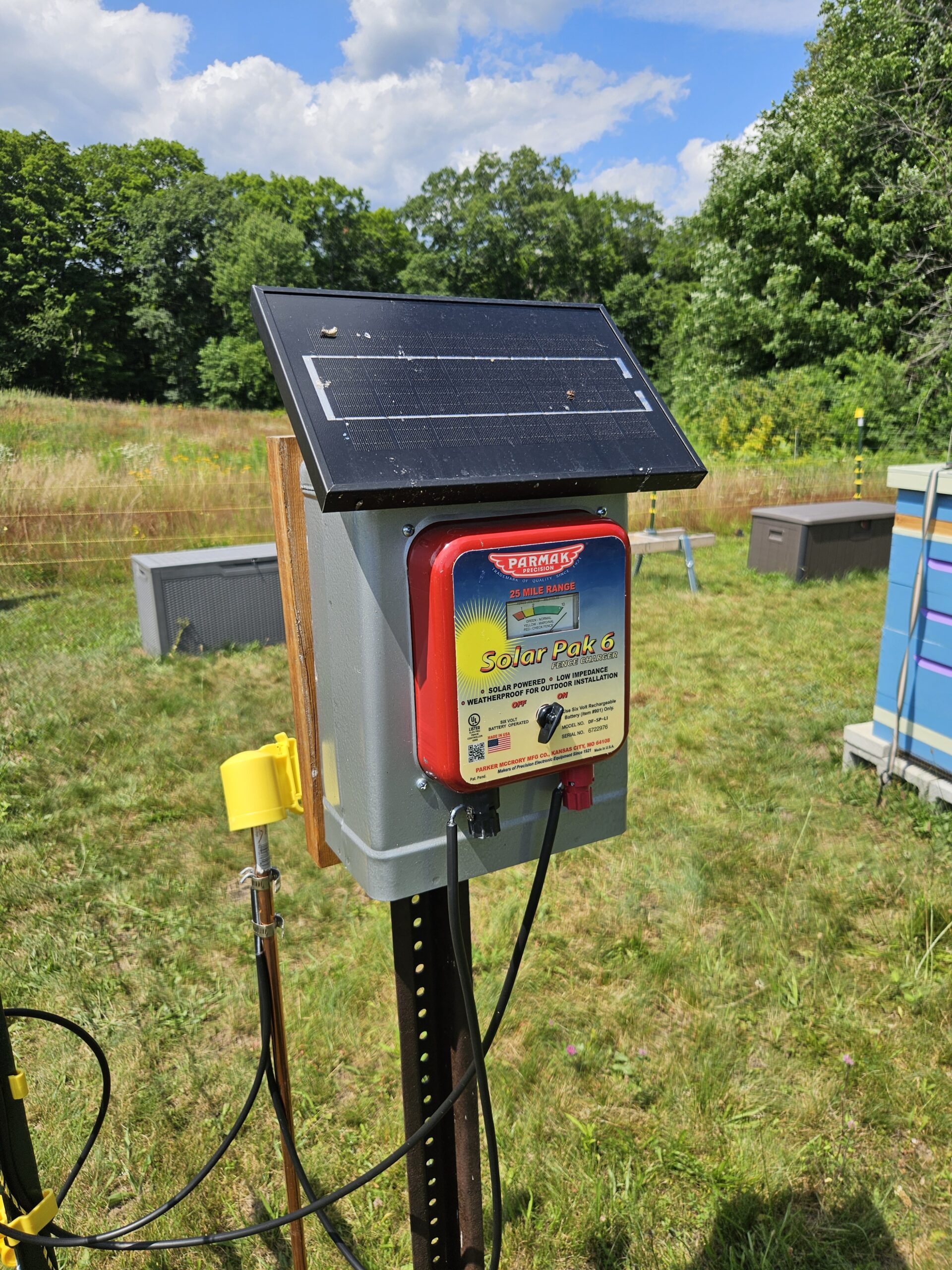
Forage in August/September is primarily goldenrod and aster and in some areas Japanese knotweed, basswood & sumac. Some areas may see a dearth, or time when flowers are not giving up their nectar. Keep an eye out as we get into September for bees sniffing around seams of beehives. These are usually robber bees. You…
-
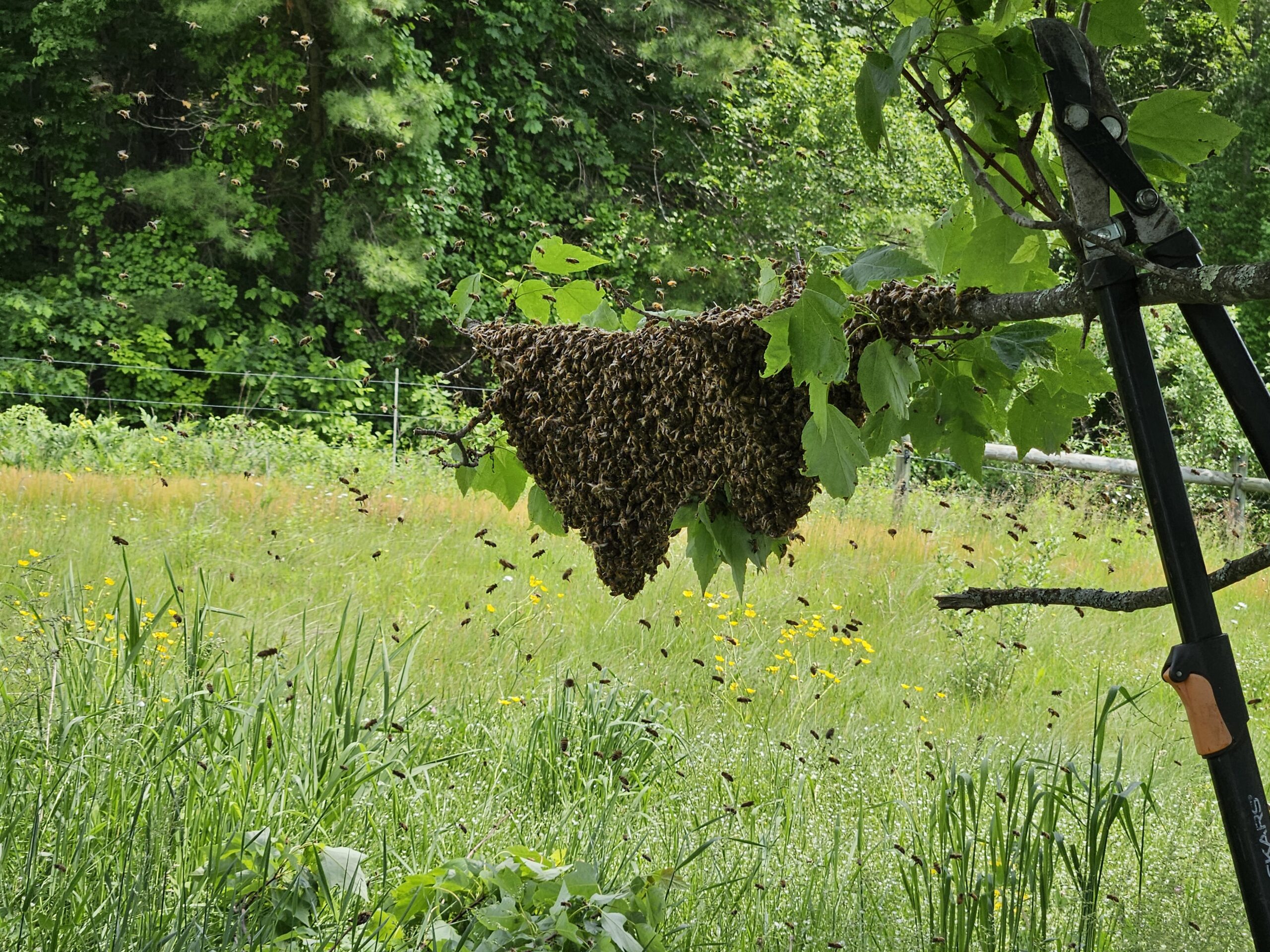
July in the north-northeast usually has a steady nectar flow. Sumac and basswood trees are coming into bloom along with clover, milkweed and a whole host of wildflowers. See Pollinator Plants for Northern New England, UNH Supers Make sure your colonies have room to both evaporate nectar and store honey! Error on the side of…
-
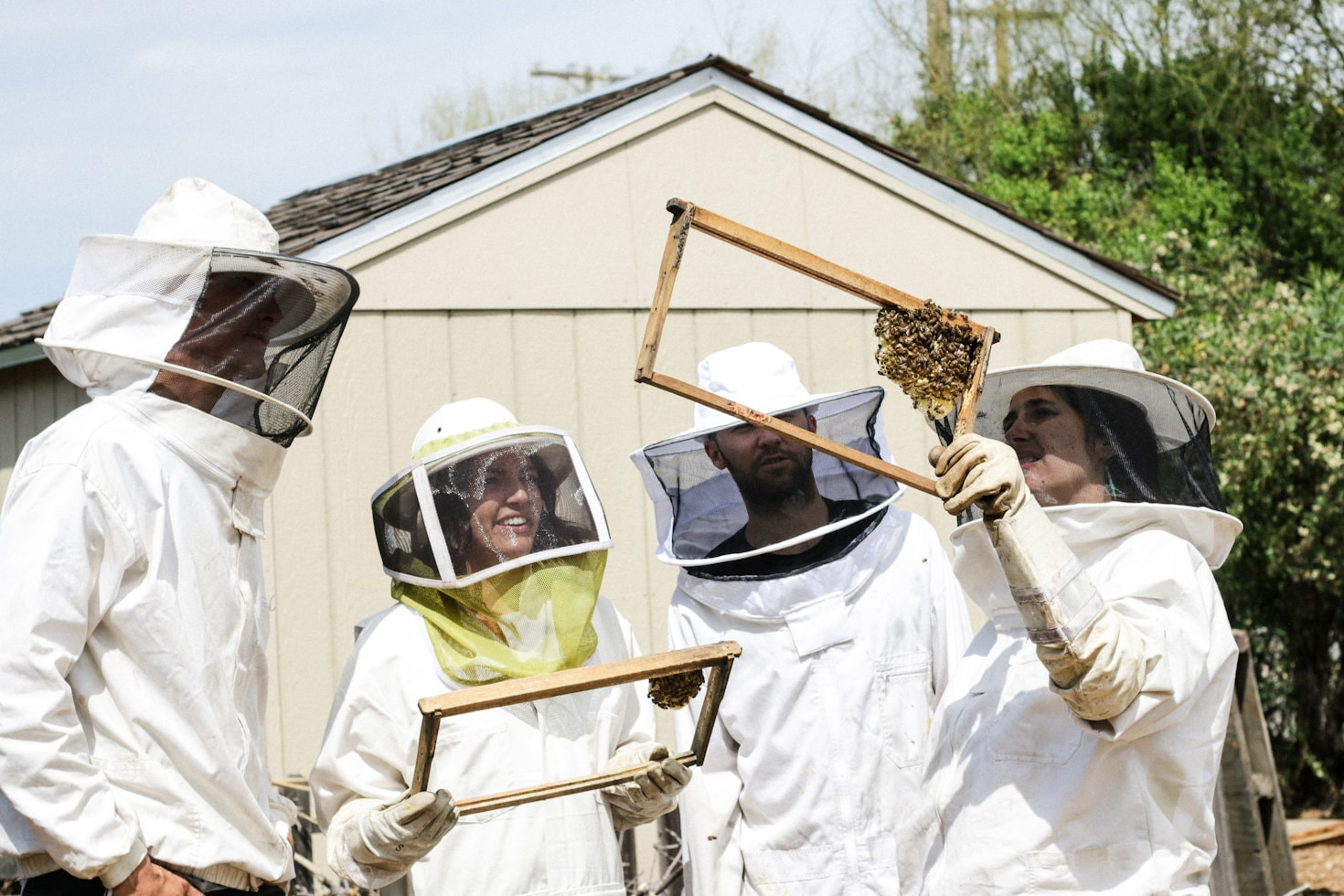
From time to time the club will post dates and times of members or community beekeepers offering to host hive inspection demonstrations.
-
Thoughtful landowners can easily do further study in these times when choosing to use pesticides, herbicides, and fungicides but here are some quick insights.